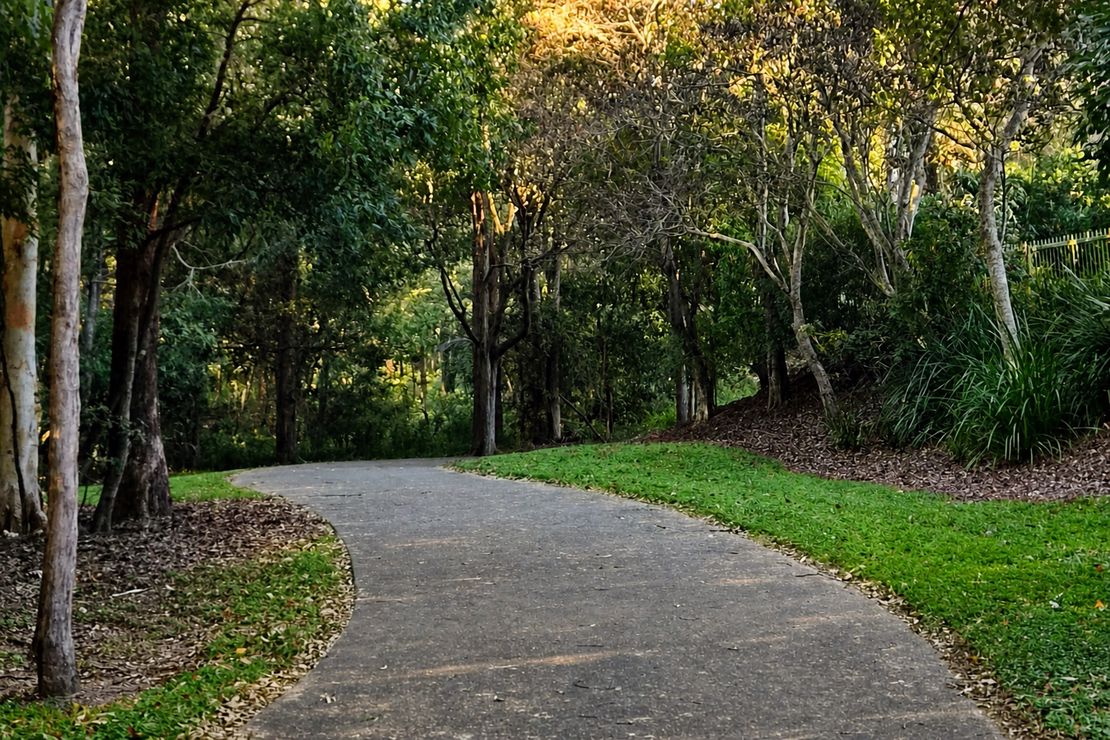
Research increasingly suggests that spending time in natural environments can support psychological wellbeing. Here is what the evidence tells us, and where to find it close to home.
There is something most of us already know intuitively: a walk outside, particularly in green or natural surroundings, tends to make us feel better. The shoulders drop. The mind quiets. Something that felt urgent an hour ago becomes slightly less pressing. We return from a walk in a park or along a creek or through the bush feeling different, not fixed, but better oriented.
What is less commonly known is that this experience is not just a matter of personal preference or pleasant distraction. It is measurable, replicable, and increasingly well understood by researchers across neuroscience, environmental psychology, and public health. The evidence for the psychological benefits of spending time in natural environments is growing, and it is worth your time.
What the Research Tells Us
The scientific study of nature and mental health has accelerated considerably over the past two decades, and the findings are broadly consistent across cultures, populations, and study designs.
A study by Bratman and colleagues published in the Proceedings of the National Academy of Sciences in 2015 found that participants who walked for 90 minutes in a natural environment showed reduced activity in the subgenual prefrontal cortex, a brain region associated with rumination and repetitive negative thinking, compared to those who walked for the same duration in an urban environment (Bratman et al., 2015). The nature walkers also reported lower levels of brooding and negative self-referential thought. The findings provided evidence of a possible neural pathway through which exposure to nature may influence rumination, though as with all research in this area, further replication is needed before strong conclusions can be drawn.
A large meta-analysis published in Environmental Health Perspectives by Twohig-Bennett and Jones in 2018, drawing on data from over 140 studies and more than 290 million participants across 20 countries, found that exposure to green space was associated with reduced levels of salivary cortisol, heart rate, and diastolic blood pressure, alongside lower rates of depression and anxiety (Twohig-Bennett & Jones, 2018). While the size and scope of this analysis is striking, it is worth noting that associations of this kind do not establish direct causation, and individual experience will vary.
Research on walking in natural environments has also found benefits for attention and cognitive function. Attention Restoration Theory, developed by Rachel and Stephen Kaplan and subsequently tested in empirical research, proposes that natural environments support the recovery of directed attention capacity. Researchers Rachel and Stephen Kaplan proposed that natural environments allow our attention to recover. Rather than requiring sustained, effortful concentration, nature tends to capture our attention gently, through things like movement, sounds, light, and texture. This may help explain why time outdoors can leave us feeling mentally refreshed (Kaplan & Kaplan, 1989).
There is also a growing body of research on blue space, the psychological benefits of exposure to water environments including rivers, lakes, coastlines, and urban waterways. A study by Nutsford and colleagues published in Health and Place in 2016 found that proximity to blue space was associated with lower rates of psychological distress (Nutsford et al., 2016). Brisbane, with its river, creeks, and proximity to coastline, is well placed in this regard.

Shinrin-Yoku: The Japanese Practice of Forest Bathing
The Japanese concept of shinrin-yoku, which translates literally as forest bathing, refers to the practice of spending time in forested environments in a slow, mindful, and immersive way. It is not hiking or exercise in the conventional sense. It is simply being in the forest, with attention directed toward sensory experience, sound, smell, texture, and light.
Research on shinrin-yoku, largely through the work of Professor Yoshifumi Miyazaki and colleagues at Chiba University, has documented reductions in cortisol, blood pressure, and pulse rate following time spent in forest environments, alongside reductions in sympathetic nervous system activity (Li et al., 2008). The evidence suggests that forested environments may support stress regulation in ways that differ from urban walking, though the field is still developing and individual responses vary.
The key principle of shinrin-yoku is attentiveness. It is not about covering distance or reaching a destination. It is about being fully present in the environment, allowing the senses to register what is around them without the filtering and categorising that most modern activity requires. For people whose nervous systems are chronically activated by the demands of contemporary life, this quality of attention can be genuinely restorative.
Why This Matters for Mental Health
The mental health implications of this body of research extend across some of the most common difficulties that bring people to therapy.
For anxiety, the evidence suggests that time in natural environments may help reduce physiological markers of stress and support nervous system regulation. For people who spend much of their day in a state of heightened arousal, regular nature exposure offers an accessible, evidence-informed complement to other strategies.
For depression, the findings on rumination are particularly relevant. Rumination, the tendency to think repetitively about negative experiences and one’s own difficulties, is one of the strongest maintaining factors in depression. Research suggests that natural environments may reduce the tendency to ruminate in ways that urban environments do not, though this is an area where the research is ongoing.
For people experiencing attention difficulties or cognitive fatigue, spending time in green spaces may provide a useful opportunity to step away from sustained demands on directed attention. The attention restoration research offers a plausible account of why this might help, though it is worth noting that the evidence base here is stronger for general cognitive fatigue than for specific clinical presentations.
For people who experience trauma-related distress, deliberately noticing sights, sounds, smells, and physical sensations in the present environment can be a useful grounding practice. The sensory quality of a natural environment lends itself to this kind of present-moment attention.
It is worth acknowledging that spending time outdoors is not equally accessible or comfortable for everyone. Physical disability, mobility limitations, severe anxiety, or trauma-related associations with certain environments may all affect whether and how a person can access these benefits. None of this is a substitute for professional support when professional support is needed, and the suggestions here are intended as a complement to treatment, not a replacement for it.
Where to Go in Brisbane and Surrounds
Brisbane has good access to natural environments both within the city and within easy reach to the north and south. The following are some places worth knowing about. We recommend checking current conditions, track availability, and access details with the relevant land managers before visiting, as these can change.
In Brisbane
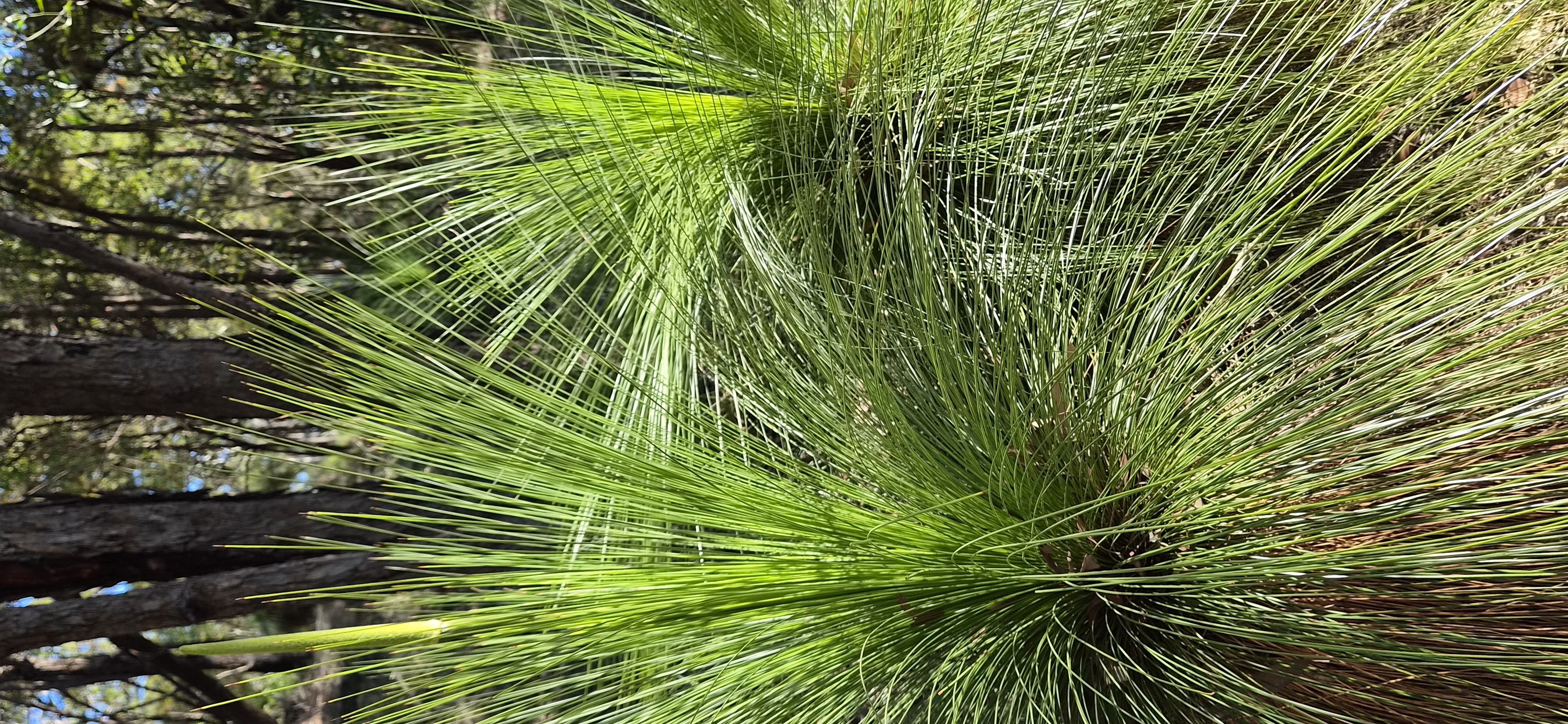
Mount Coot-tha Reserve is the largest bushland reserve within the Brisbane city limits, with an extensive network of walking tracks through dry sclerophyll forest. The summit lookout is well known, but the value of Mount Coot-tha for mental health is in the trails below, where the canopy closes over and the city recedes.
Karawatha Forest in Brisbane’s south is one of the larger remnant bushland areas in the region, covering eucalypt woodland and heath. It is less frequented than Mount Coot-tha and offers a genuinely immersive bush experience within easy reach of the southern suburbs.
The Brisbane River and its creek corridors offer accessible green and blue space throughout the inner city. The Oxley Creek Common, the Kedron Brook Wetlands, and the Enoggera Creek trail system all provide meaningful contact with water and vegetation without requiring significant travel time.
Boondall Wetlands in Brisbane’s north provides a different ecological experience, open wetland and mangrove environments that support a diversity of birdlife. The sensory quality of a wetland walk, the sounds in particular, is distinctive and for many people genuinely calming.
North of Brisbane
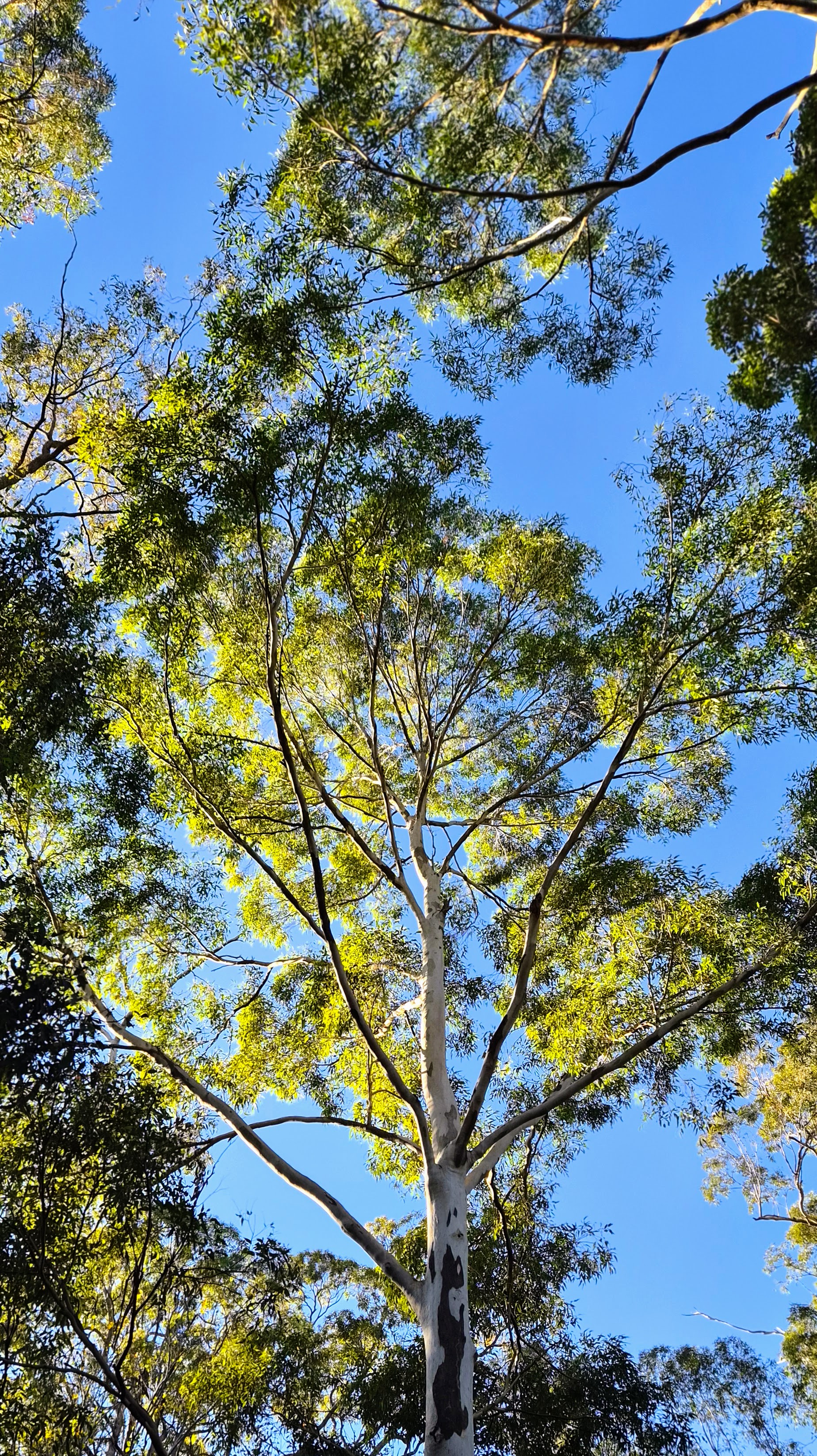
D’Aguilar National Park begins at the edge of Brisbane’s northern suburbs and extends into the ranges behind the Sunshine Coast hinterland. The park contains some of the most accessible bushland in southeast Queensland, with walks around the Jolly’s Lookout area being particularly popular.
Bunyaville Conservation Park sits within the D’Aguilar range and offers quiet bushland within approximately 30 kilometres of the city centre. It is less visited than many comparable areas and can offer a sense of relative remoteness that is unusual this close to an urban centre.
The Sunshine Coast Hinterland, including the Glass House Mountains and Mapleton Falls, is within approximately 90 minutes of Brisbane and offers a distinctive landscape of volcanic peaks and subtropical forest.
South of Brisbane
Daisy Hill Conservation Park in Brisbane’s southeast offers well-maintained walking tracks through open eucalypt forest and is an accessible option for residents of the southern suburbs.
Springbrook National Park on the Gold Coast hinterland is within approximately 90 minutes of Brisbane and contains areas of subtropical rainforest. The combination of dense forest canopy and moving water that characterises walks like the Natural Arch circuit is, for many people, particularly restorative.
Lamington National Park in the McPherson Range is further afield but offers a quality of forested landscape and stillness that is difficult to find closer to the city.
A Practical Note
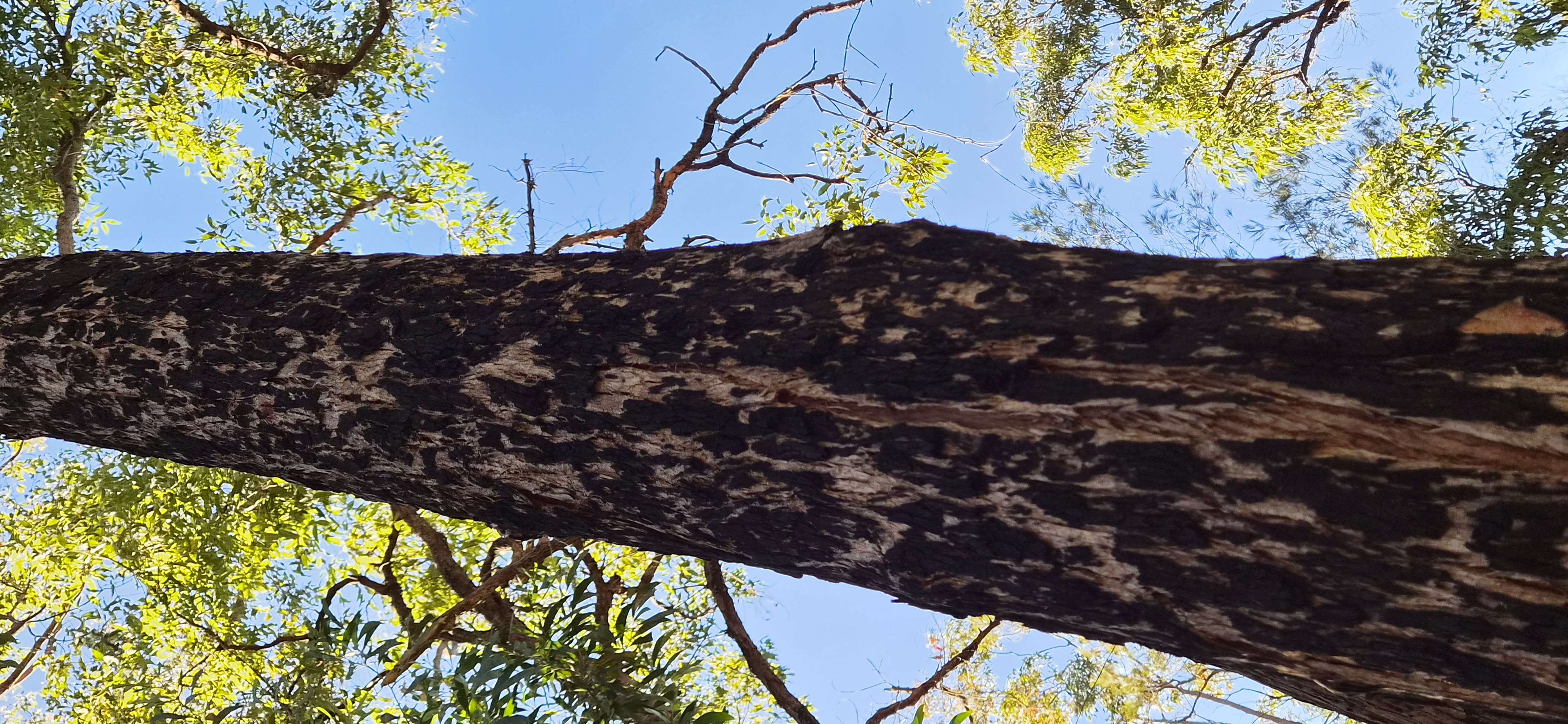
The research does not require a particular distance or duration to produce measurable benefits. Studies have found meaningful effects from relatively short periods of time in natural environments. The quality of attention matters more than the quantity of time. Leaving the phone in your pocket, attending to what your senses are registering, and moving at a pace that allows genuine contact with the environment are more important than covering ground.
If you are going through a difficult period and the idea of a long hike feels impossible, a short walk in the nearest park with your attention genuinely on what is around you is a meaningful act. Start there.
A Final Thought
Modern life often asks us to spend long periods indoors, on screens, and in environments that demand sustained attention. The growing body of research on nature exposure suggests that making regular time for natural environments may be one accessible way of supporting psychological wellbeing. We did not evolve in offices or on screens, and there is something in the evidence that suggests our nervous systems notice the difference.
Brisbane is a city with good access to natural environments, from the bush reserves on its edges to the river and creek corridors running through its heart. That access is worth using.
If you are experiencing anxiety, depression, or other mental health difficulties and would like professional support alongside these kinds of self-directed strategies, the team at Excel Psychology is here. We offer individual therapy for adults at our Spring Hill, Brisbane clinic and via Telehealth Australia-wide. No referral is required.
References
Bratman, G. N., Hamilton, J. P., Hahn, K. S., Daily, G. C., & Gross, J. J. (2015). Nature experience reduces rumination and subgenual prefrontal cortex activation. Proceedings of the National Academy of Sciences, 112(28), 8567–8572.
Kaplan, R., & Kaplan, S. (1989). The Experience of Nature: A Psychological Perspective. Cambridge University Press.
Li, Q., Morimoto, K., Kobayashi, M., Inagaki, H., Katsumata, M., Hirata, Y., Hirata, K., Suzuki, H., Li, Y. J., Wakayama, Y., Kawada, T., Park, B. J., Ohira, T., Matsui, N., Kagawa, T., Miyazaki, Y., & Krensky, A. M. (2008). Visiting a forest, but not a city, increases human natural killer activity and expression of anti-cancer proteins. International Journal of Immunopathology and Pharmacology, 21(1), 117–127.
Nutsford, D., Pearson, A. L., Kingham, S., & Reitsma, F. (2016). Residential exposure to visible blue space (but not green space) associated with lower psychological distress in a capital city. Health and Place, 39, 70–78.
Twohig-Bennett, C., & Jones, A. (2018). The health benefits of the great outdoors: A systematic review and meta-analysis of greenspace exposure and health outcomes. Environmental Health Perspectives, 166, 628–637.